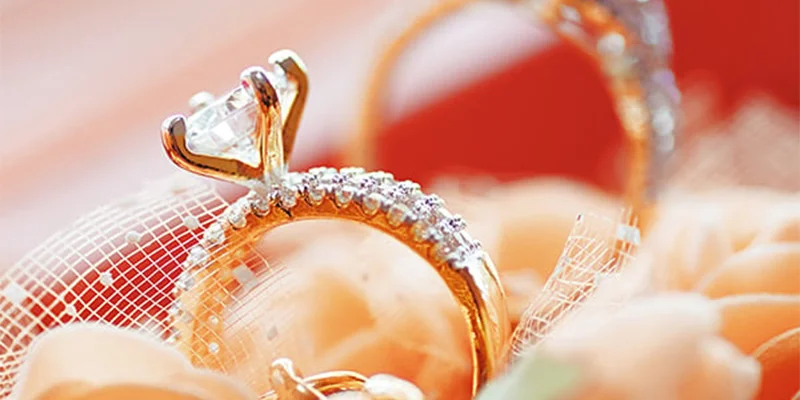

Chances are, you’re weighing choices instead of just looking around. Created in labs, these diamonds answer clear issues tied to natural ones. Not replacements. Not fakes. Actual diamonds formed with human guidance. Their makeup matches mined gems atom atom. Realness isn’t debated – it’s built. Same setup for carbon pieces. In both, light moves identically. Their toughness matches exactly. Side side, your eyes could not tell them apart. What sets them apart is where they come from. One grows deep below ground, taking ages. The other shows up in a lab, ready in weeks. Where something starts affects price, tracking, how steady it feels. Performance stays the same. Looks stay unchanged too.
Lab Created Diamonds How They Are Made
One way scientists make diamonds involves mimicking Earth’s deep heat pressure. Another approach uses gases in a chamber to build diamond layers slowly.
High Pressure High Temperature
Deep under the surface, carbon gets squeezed hard while heated to extreme levels. Because of those forces, atoms link into a rigid pattern. What forms feels just like what miners pull from rock. Pressure changes everything when time stretches long enough.
Chemical Vapor Deposition
A single layer at a time, carbon-infused gas builds up to form lab created diamonds this process. Control over how clear or colored they turn out sits firmly in hand during creation. Real gems emerge either way, no difference in substance. Every one accepts cuts, earns grades, fits into settings just like the rest.
Buyers Pick Lab Created Diamonds
A lot of people shopping aren’t focused on impressing anyone. Their goal? Figuring out how to fix something that isn’t working right. What tends to come up most often is pretty straightforward.
- Lower cost for the same size quality
- Packed with details you can check. Follow each step without guessing where it came from
- Consistent color clarity options
- Access to larger stones within budget
A single point five carat centerpiece, clear bright – lab grown stones can bring this within reach, fitting neatly into what feels manageable. Instead of straining budgets, many find these options open doors once shut. Comfort matters when choosing something so personal, yet costly. A different path emerges where quality does not demand sacrifice.
Cost Differences To Know
Mine-free stones often come with a lighter price tag compared to their earth-dug twins of matching rank. What sets them apart isn’t worth or shine – it’s how they’re made. Production runs tighter, without digging through layers of rock years of logistics. Because they cost less, ring blueprints shift – details change, choices widen. Fewer limits let ideas stretch further. With pave settings, how the middle diamond fits with its neighbors makes a difference. Pick pieces where shape spacing feel right – since size alone won’t fix poor alignment.
Durability Everyday Use
Pick diamonds when long life matters. Even lab grown ones match natural stones in toughness. Day after day, they stay strong without wearing down. Scratches rarely show up on their surface. Over years, their shine stays clear just like at first. A detail often overlooked? How much the shape matters compared to where it came from. Take a narrow ring studded with tiny gems – without skillful making, problems start fast, even if the diamonds are top grade.
Value Changes Over Time
Worries pop up now then about what a ring might sell for later. People tend to get that part wrong. Rings meant for proposals usually aren’t bought like stocks or property. These pieces mean something different to each person who wears them. How much they’re worth down the line ties closely to name recognition, how they look, whether others want them – way beyond just where the stone came from. Should lasting comfort matter most, man made stones hold up just like those pulled from the earth.
Modern Rings Allow More Design Choices
Fewer worries about price tags let creativity sharpen its edges. Little things start to matter more.
- Better symmetry in small accent stones
- More consistent color matching
- Cleaner transitions between center side stones
With pave engagement rings, uniformity plays a big role. Tiny stones are placed side side. When one looks different, the eye catches it fast. Man-made gems help keep things even, all while staying within budget.
Environmental And Sourcing Factors
Now here’s a fact: some shoppers want to know where things come from. Yet others place trust in open records instead. Because lab grown stones include full paper trails. Since every step shows exactly how it was made. A person might still find value in mined stones without supporting harm. Yet choosing laboratory grown options skips the guesswork around origins, should that weigh on your mind.
What to Look For When Buying
Folks from anywhere face identical points to consider. Still, each situation holds its own weight. Even so, certain elements stay relevant every time. Always, a few key things matter just the same.
- Cut quality symmetry
- Clarity that suits your setting style
- Color consistency across stones
- A stamp of approval from a trusted testing facility
A tiny flaw? The pave setting keeps it under wraps. That means a sharp-cut stone might matter more than perfect clarity. Pick the sparkle over the microscope.
Common Misunderstandings
It’s often thought lab diamonds appear fake. But that belief doesn’t hold up. Some assume they break down over time. That isn’t true either. Many people believe you can tell them apart sight. In reality, eyes aren’t the issue. What really sets them apart comes down to how they move from origin to market.
Choosing an engagement ring with personal meaning
Picking an engagement ring means weighing how it looks, how it feels on your hand, not overspending. With lab grown stones, choices open up – decisions become clearer instead of harder. A bigger main diamond? You can have that while keeping top-tier cutting quality. Want tiny stones set close together to shine just right? These deliver sharp brightness. Care where materials come from but don’t want to dig through reports? This path simplifies things.
FAQ
Are lab created diamonds real diamonds?
True enough – their makeup matches natural ones, down to how hard they are the way light moves through. What sets them apart? Not much, really. Light plays on both kinds just the same. Hardness feels identical under pressure. Structure looks like twins under a lens.
Lab grown diamonds hold up just like natural ones over time.
Of course. Just as tough, built for everyday use without issue.
Could lab made stones work well in pave set engagement bands?
True. Because they stay clear keep a steady hue, these gems fit smoothly into patterns filled with tiny pieces.