Understanding the Plasma Donation Process: What You Need to Know
The Science of Plasma: Why It’s So Valuable
Plasma is the clear, yellowish liquid component of blood, making up about 55% of total blood volume. It plays a vital role in our body, primarily consisting of water (about 92%), proteins (7%), other substances (1%), including electrolytes, nutrients, waste products. Plasma’s primary function is to transport cells, hormones, nutrients, waste products throughout the body. Its rich protein content includes immunoglobulins clotting factors, making it essential in both medicine health care.
The therapeutic value of plasma is immeasurable. It is used to treat various medical conditions, including hemophilia, liver disease, immune deficiencies. Plasma donation is critical because the demand for plasma-derived products continually exceeds supply. For those looking to make a difference, choosing to donate plasma in San Diego not only supports local plasma centers striving to meet this high demand but also contributes to saving lives. Beyond its therapeutic uses, plasma donation plays a key role in research to develop new treatments technologies, underscoring the importance of donors in advancing medical science.
Eligibility Requirements: Are You a Plasma Hero?
Before you consider donating plasma, it’s essential to know the eligibility requirements to ensure you meet the necessary criteria. In the U.S., the general eligibility guidelines set the FDA require donors to be at least 18 years old, weigh a minimum of 110 pounds, be in good health. This means no infections, chronic illnesses, or underlying health conditions that could be aggravated the donation process. Each plasma donation center may have specific additional requirements, including travel history or certain medications that might disqualify potential donors.
It’s also crucial to be aware of deferral periods after certain activities or illnesses. For instance, if you’ve recently traveled to specific countries where diseases like Zika are prevalent, you might need to wait a specified period before donating. Furthermore, those who have had tattoos or piercings might also face deferral times. The best practice is to contact your chosen plasma donation center in San Diego prior to heading in, allowing you to clarify any concerns you might have regarding your eligibility.
What to Expect During Your First Donation: A Step--Step Guide
Embarking on your journey as a plasma donor can be both exciting nerve-wracking, especially if it’s your first experience. Initially, when you arrive at the donation center, you will fill out some paperwork undergo a brief interview to assess your health history eligibility. The staff will check your vitals (blood pressure, pulse, temperature) to ensure you’re fit for donation. This process typically takes about 30 minutes.
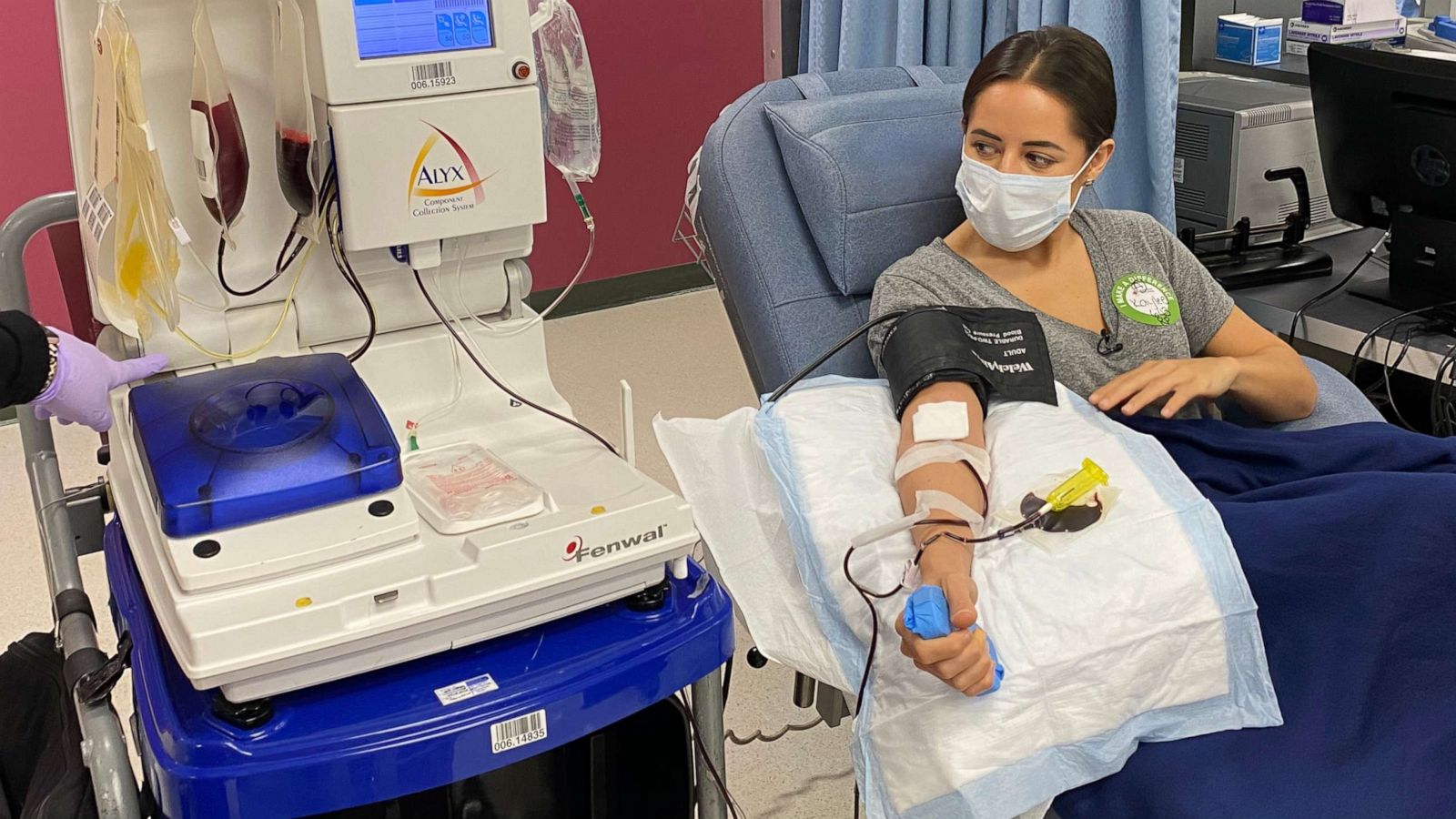
Once cleared, you’ll be taken to a donation bed. A health professional will clean your arm place a needle into a vein, typically in your arm. The donation process takes approximately 45 to 90 minutes, during which blood is drawn into a machine separating plasma from other components of blood (like red cells, white cells, platelets). The remaining components are then returned via the same needle. Here, you may feel minimal discomfort, often described as similar to a blood donation. You can relax, read, or watch TV while the collection happens, making it a comfortable experience.
After donating, you’ll be monitored for a few minutes offered snacks drinks to help replenish your energy. It’s essential to stay hydrated follow up with proper post-donation care, which we’ll further discuss in the Recovery section. Most first-time donors leave feeling accomplished, knowing they’ve contributed to a crucial healthcare need!
Finding the Right Plasma Donation Center in San Diego: A Navigator’s Guide
Top Plasma Centers in San Diego: Where to Go
San Diego boasts several reputable plasma donation centers, each with unique advantages. Notable centers include CSL Plasma, Octapharma Plasma, Biolife Plasma Services. Each center is committed to high safety standards offers a comfortable environment for donors. CSL Plasma, for instance, is well-known for its community-driven approach, often hosting local events offering incentives for donations, including cash compensation for each donation. The center has a streamlined process that minimizes wait times, thus enhancing the overall donation experience.
Octapharma is also a popular choice, emphasizing donor education comfort. This center offers a welcoming atmosphere with knowledgeable staff who clarify every step of the process. Biolife Plasma Services combine a robust donor reward program with advanced technologies to ensure higher efficiency in plasma collection. Each center’s location operational hours may vary, so researching visiting their websites for specific hours directions is advisable. This way, you can pinpoint what works best with your schedule proximity.
Virtual Tours: What Your Donation Experience Will Look Like
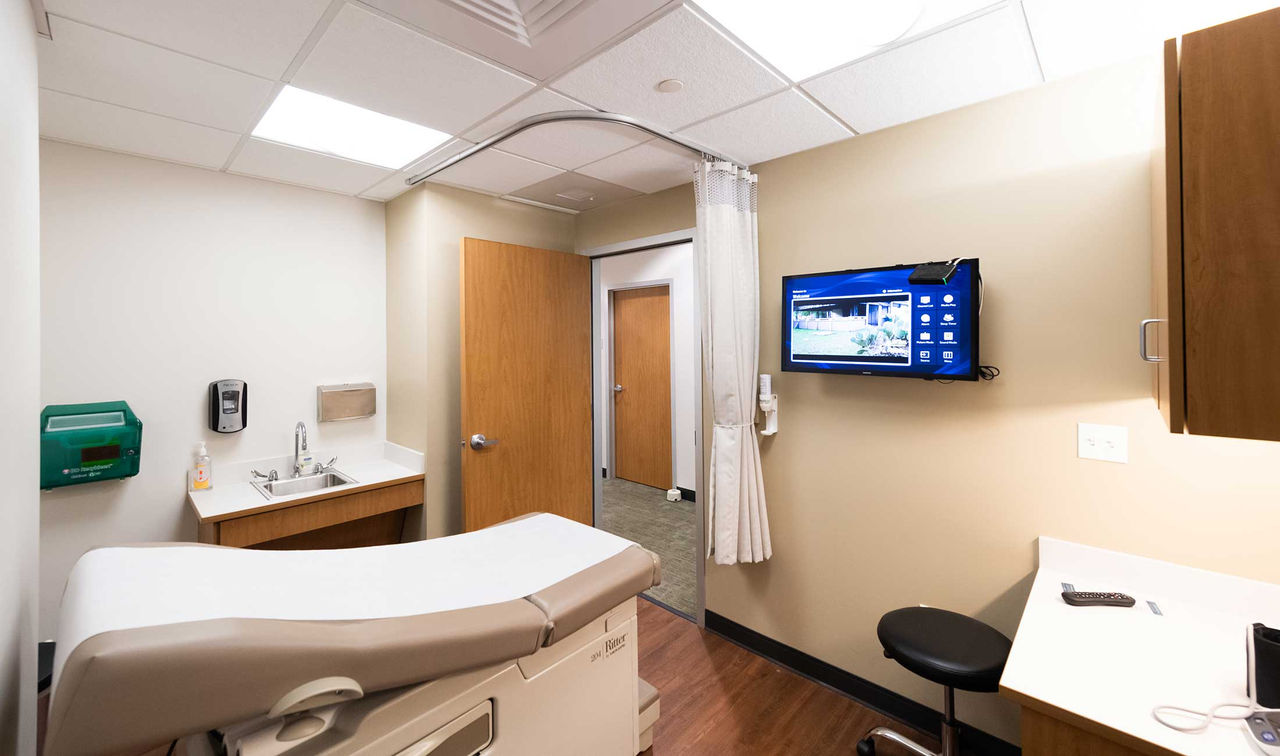
Many plasma donation centers now offer virtual tours on their websites, allowing prospective donors to familiarize themselves with the facilities processes without stepping foot inside. These virtual experiences walk you through the donation process, showcasing the layout of the centers, the donation areas, waiting lounges, even the staff who will assist you. This initiative is particularly beneficial for first-time donors, alleviating some anxiety associated with the unknown.
These virtual tours highlight the comfortable seating areas, plasma collection technologies, even the amenities like complimentary snacks beverages for donors post-donation. Taking the time to experience these virtual tours makes potential donors feel more at ease prepared, facilitating a smoother introduction to plasma donation.
How to Choose the Center that Fits Your Needs: Comfort Convenience
Choosing the right plasma donation center extends beyond just knowing where they are located or their available services. It’s also essential to consider factors like ambiance, wait times, the approach to donor care each center practices. Personal comfort is paramount; look for centers that cultivate a friendly reassuring environment. The presence of trained staff, comfortable seating during the donation, efficient post-operation recovery areas can significantly enhance your donation experience.
Another key consideration is the operational hours of the centers. Some may open earlier or stay open later to accommodate working individuals. Checking the center’s appointment availability for donations can also save you time, especially if you’re looking to donate regularly. Lastly, read reviews testimonials from other donors; their experiences can provide valuable insights into the atmosphere, efficiency, overall care offered the center you’re considering.
The Impact of Your Donation: Stories Statistics That Inspire
The Ripple Effect: How Your Plasma Helps Those in Need
The impact of plasma donation extends far beyond the immediate act; it resonates through communities, transforming lives providing vital solutions to various health issues. When you donate plasma, you are essentially providing a lifeline to individuals battling severe medical conditions like hemophilia, liver failure, or burn patients needing crucial treatment. Plasma can be transfused to replace lost fluid proteins, accelerating healing recovery in multiple scenarios.
In addressing broader health initiatives, the benefits of plasma donations can be seen in the improved quality of life for hundreds of thousands of patients. Every donation is indispensable, contributing to the development of therapies that help treat various diseases improve patient outcomes. The shortage of plasma leads to delayed treatments for many patients, emphasizing your role as a donor in bridging this gap. It’s a fulfilling acknowledgment of the tangible difference your voluntary act of kindness can make in the medical field societal wellness.
Personal Stories: Meet the Lives Changed Plasma Donations
Every plasma donation carries a story of struggle, hope, resilience. Meet Andrew, a young father diagnosed with hemophilia. For years, he lived in crippling fear of active bleeding. However, thanks to a dedicated plasma donor, Andrew receives infusion therapy that enables him to lead a normal life. The treatment he receives from plasma-derived clotting factors ensures he can participate in his children’s lives fully, from playing at the park to attending school events. His story is just one among countless others that illustrate the profound life-changing effects of a simple plasma donation.
Take the case of Maria, a cancer patient who requires extensive plasma therapy following chemotherapy treatments. Each session has been pivotal in helping her body recover, manage pain, enhance her immune response. The stories are often heartwarming inspiring, demonstrating how a group of willing, compassionate individuals can impact others’ lives significantly. Listening to the experiences of plasma recipients can serve as a powerful motivator for potential donors, showing them just how lives are transformed through their selfless acts.
Statistics That Shine: The Power of Plasma in Medical Treatments
Statistics reveal the staggering importance of plasma donations in the healthcare spectrum. According to the World Health Organization, plasma-derived therapies are responsible for treating over 2 million patients globally each year. In the U.S. alone, approximately 43,000 liters of plasma are needed weekly to meet the demand for various life-saving medications. Additionally, plasma donations can be processed into over 16 different life-saving therapies that treat a wide range of health conditions.
Research indicates that individuals who donate plasma regularly, at least once a month, can help save multiple lives annually. By choosing to donate plasma, you not only fulfill pressing medical needs but also contribute to vital research that drives innovation in treatments for numerous ailments statistics that remind us all of the powerful role each donor plays in enhancing healthcare outcomes.
After the Donation: Tips for Recovery Continued Engagement
Post-Donation Care: How to Feel Your Best
After you donate plasma, it’s essential to prioritize care for yourself to ensure a smooth recovery. Hydration nutrition are crucial during this phase. Drink plenty of water before after your donation to aid in recovery for every 1 unit of plasma, it’s advisable to drink about 2-3 cups of water. Consuming snacks rich in protein iron can also support your body in regenerating the plasma components effectively. Foods like lean meats, beans, nuts, leafy greens are excellent post-donation choices.
Avoid intense physical activities for several hours after donating plasma. While many individuals feel completely normal post-donation, some may experience mild dizziness or fatigue due to the fluid loss. If you feel fatigued, it’s perfectly okay to take the day off from regular activities rest. Wearing a compression bandage can also help prevent bruising at the needle site promote quicker recovery. Pay close attention to how your body feels in the days following your donation, reach out to healthcare professionals if you experience any adverse reactions.
Ways to Stay Involved: Joining the Plasma Donation Community
Staying engaged with the plasma donation community can enhance your donation experience provide continued motivation to help others. Many plasma centers in San Diego host donor appreciation events community gatherings, allowing you to meet fellow donors share experiences. Engaging with these community initiatives fosters a sense of belonging emphasizes the importance of your contributions.
Another way to stay involved is advocating for plasma donation. You can educate others on the significance of plasma encourage friends family to participate in donation drives. Social media platforms are valuable tools for spreading awareness; share your donation stories, invite others to join you on your next visit, or participate in local campaigns. By continuing to promote plasma donation, you amplify its importance inspire new donors to step forward give back.
Frequently Asked Questions: Your Plasma Donation Queries Answered
Below are some common questions potential plasma donors have:
- How often can I donate plasma?You can typically donate plasma every 28 days, with some centers allowing donations every two weeks. Always check specific center guidelines for their policies.
- Is donating plasma painful?Most donors report only mild discomfort during the needle insertion, similar to a blood donation. After your donation, it’s common to feel a little tired, but severe pain should be reported.
- Can I donate plasma if I’m on medication?It depends on the medication. Always consult with your plasma donation center regarding medications you are taking to determine your eligibility.
- What are the side effects of donating plasma?Side effects may include dizziness, fatigue, temporary bruising at the injection site. Following proper post-donation care can minimize these risks.
- How is my donated plasma used?Donated plasma is used in various therapeutic treatments ranging from emergency care, surgeries, ongoing medical conditions to research development for new therapies.
In conclusion, donating plasma in San Diego is more than just an act of kindness; it’s a significant contribution that has the power to change lives. By understanding the plasma donation process, finding the right donation center, acknowledging the impact of your donations, engaging in post-donation care community building, you can embark on this fulfilling journey with confidence. Your willingness to donate could be the key to someone’s recovery, allowing you to be a real-life hero in someone’s story.